
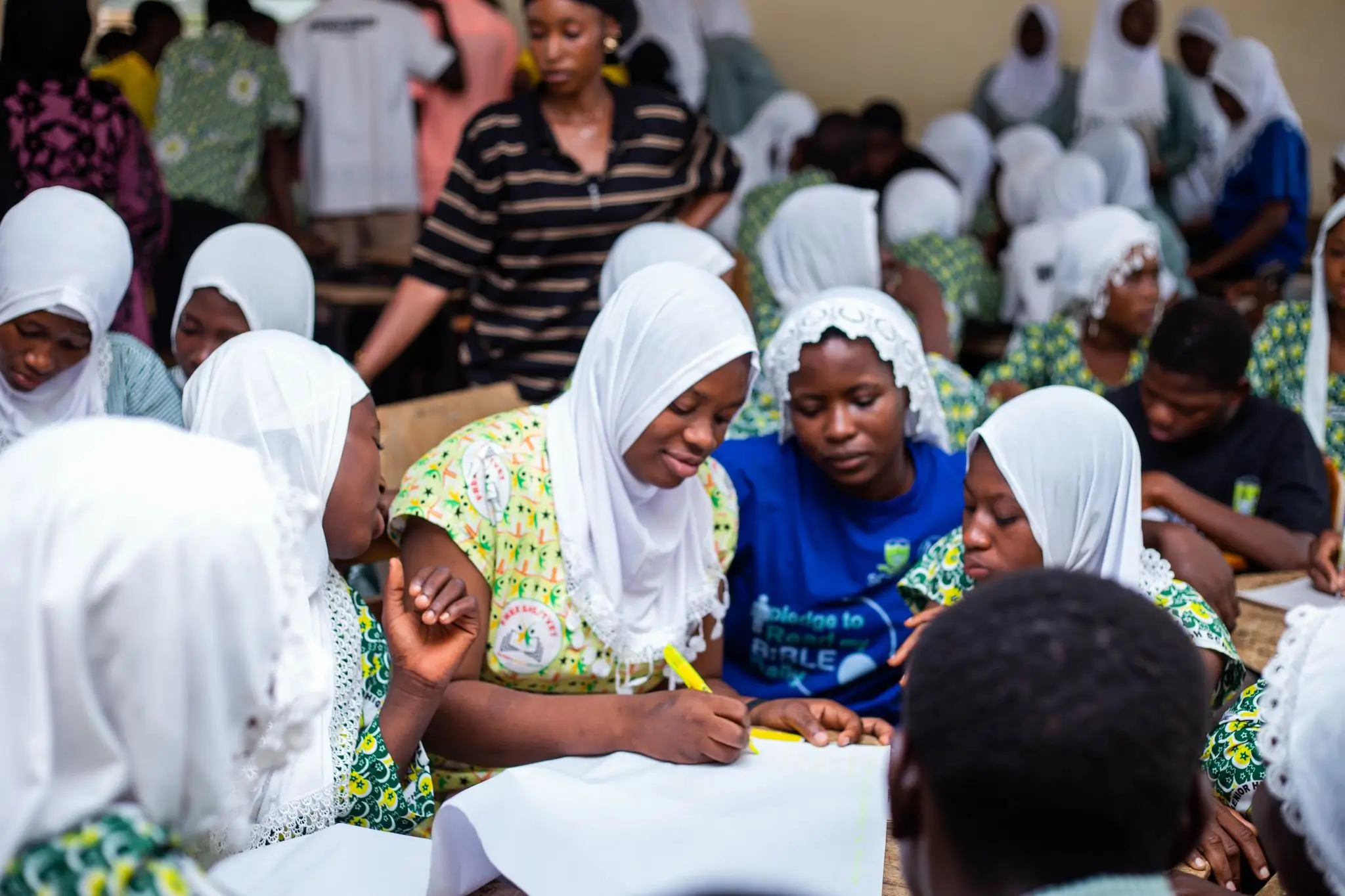
A youth-led digital education and safety programme that equips young women, secondary-school students, and teachers in underserved communities to participate safely, critically, and productively in an increasingly AI-driven digital world.
Young people want to participate
Students and teachers in underserved communities want to learn, explore, and engage safely, critically, and productively in an increasingly AI-driven digital world.
Underserved communities lack the tools to do so safely
Limited digital skills, AI literacy, and media and information literacy leave students exposed to Technology-Facilitated Gender-Based Violence (TFGBV) and other digital-safety risks, with few trusted pathways to support.
— the gap Digital Walansi is designed to close
Technology-Facilitated Gender-Based Violence and other digital-safety harms are a real risk for young people navigating an increasingly AI-driven digital world — particularly in underserved communities with limited access to digital safety education and trusted reporting pathways.
In these communities, the gap is compounded by limited AI literacy, few trusted adults equipped to guide safe technology use, and a lack of platforms designed specifically for young people to learn, report concerns, and access support.
Digital Walansi responds to both the aspiration and the risk. It does not frame young people primarily as vulnerable to digital harm. It equips them — and the teachers and Fellows around them — with the skills, the platform, and the trusted pathways to participate in the digital world safely, critically, and productively.
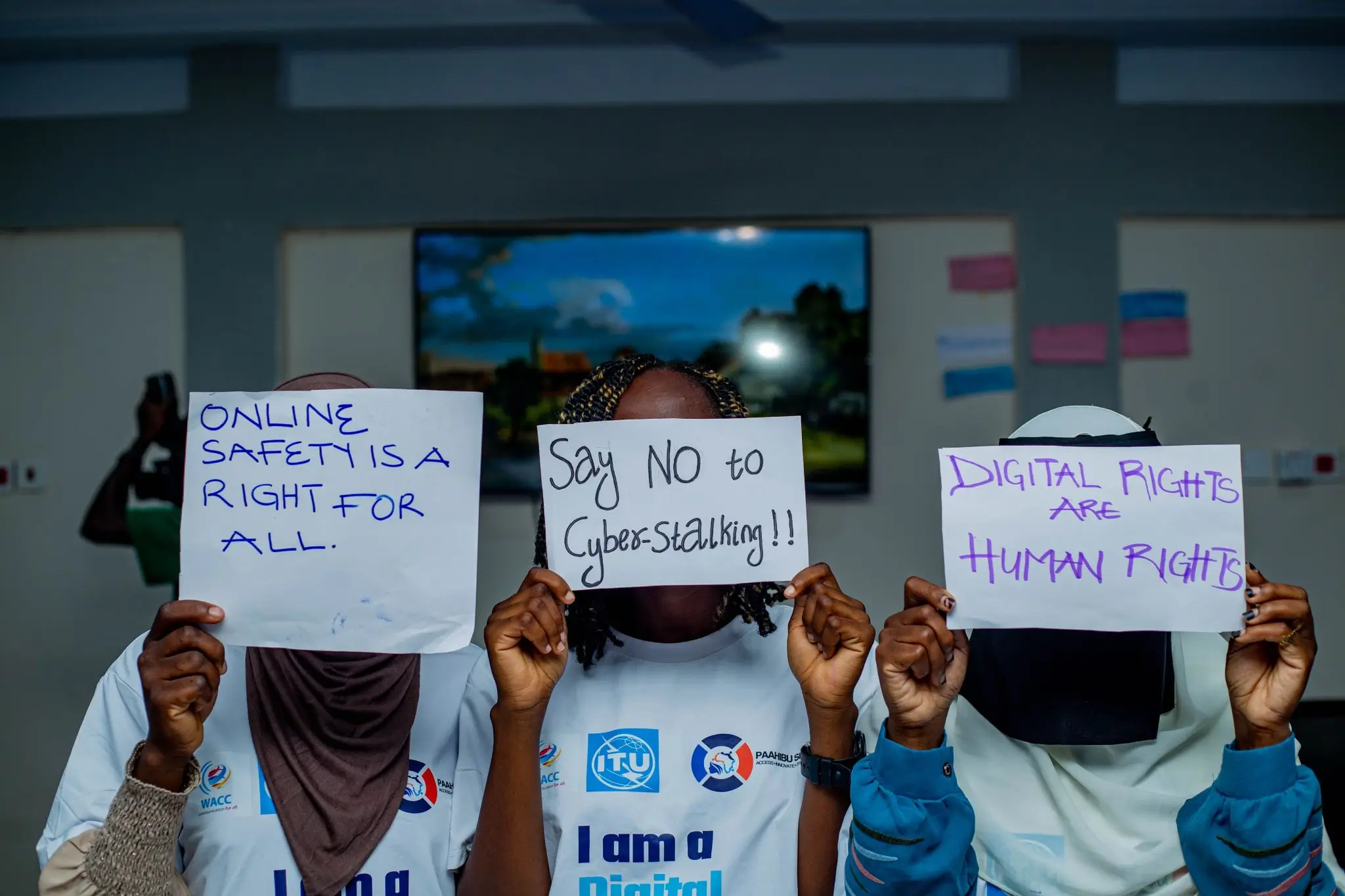
The programme trains 30 young women as Digital Walansi Fellows in digital skills and safety, AI literacy, Media and Information Literacy (MIL), and the prevention of and response to Technology-Facilitated Gender-Based Violence (TFGBV).
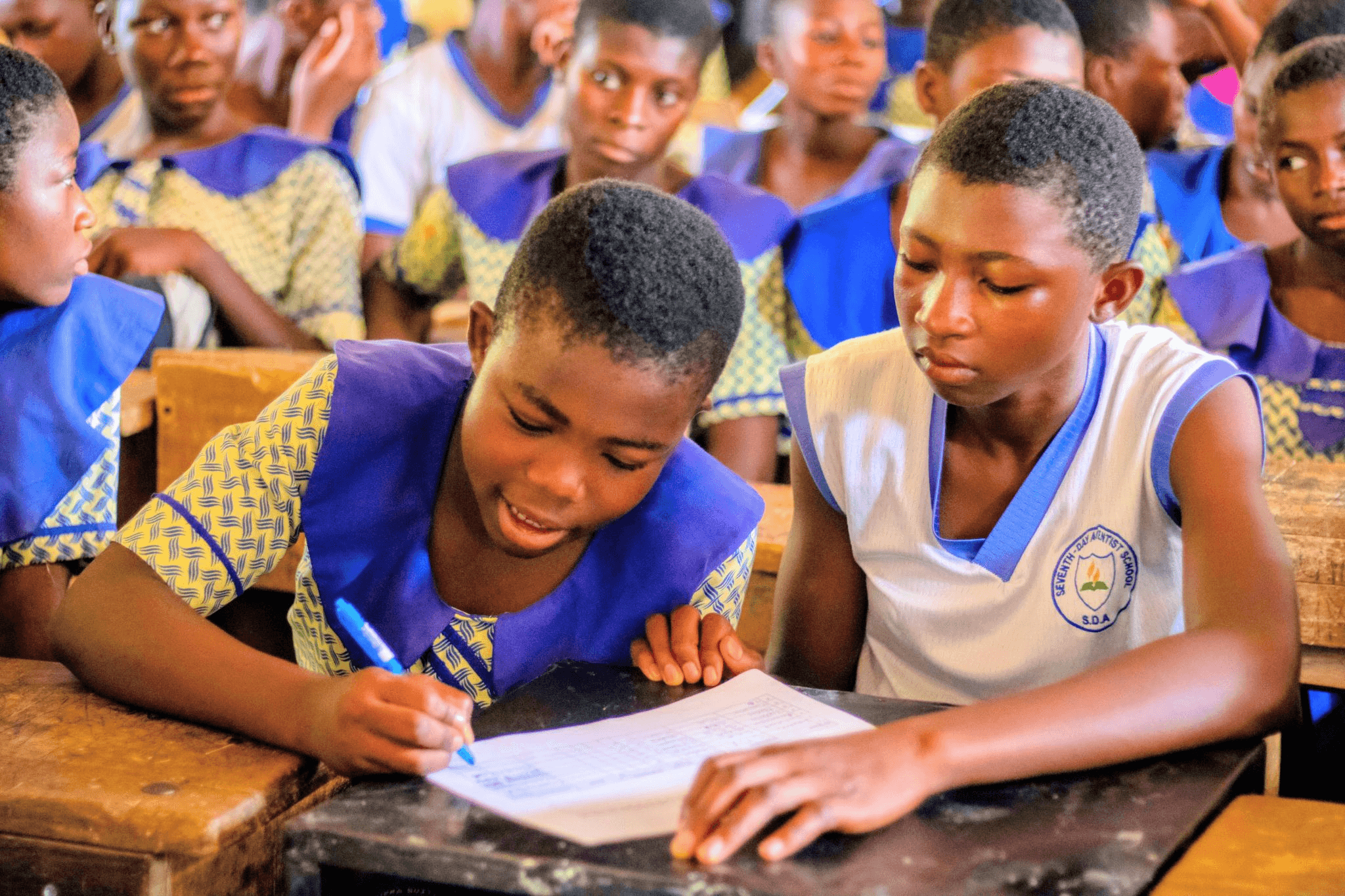
Fellows are deployed to secondary schools across selected regions in Ghana, where they facilitate learning with students and teachers, and support Digital Walansi Clubs that provide sustained spaces for peer learning, digital leadership, and responsible technology use.
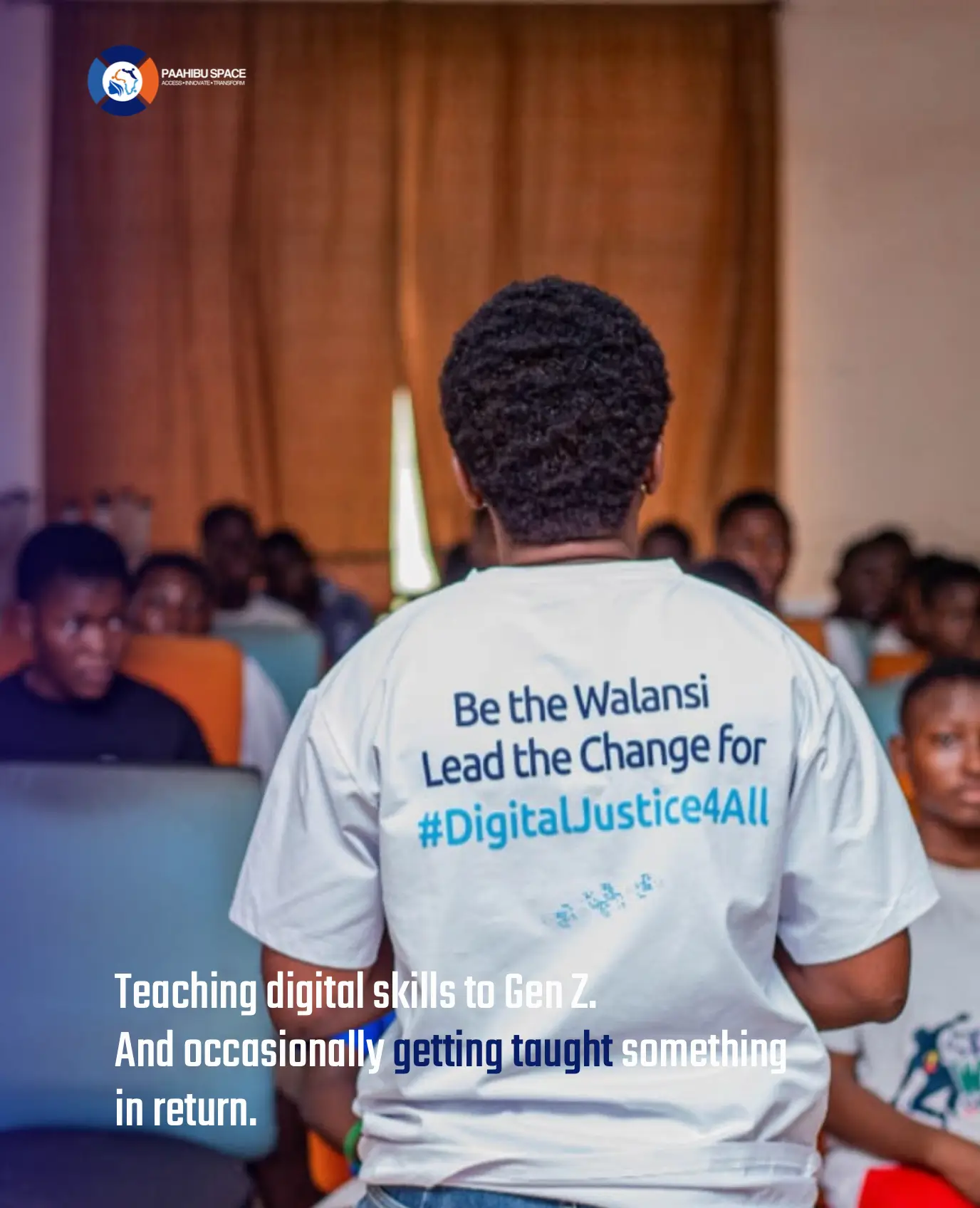
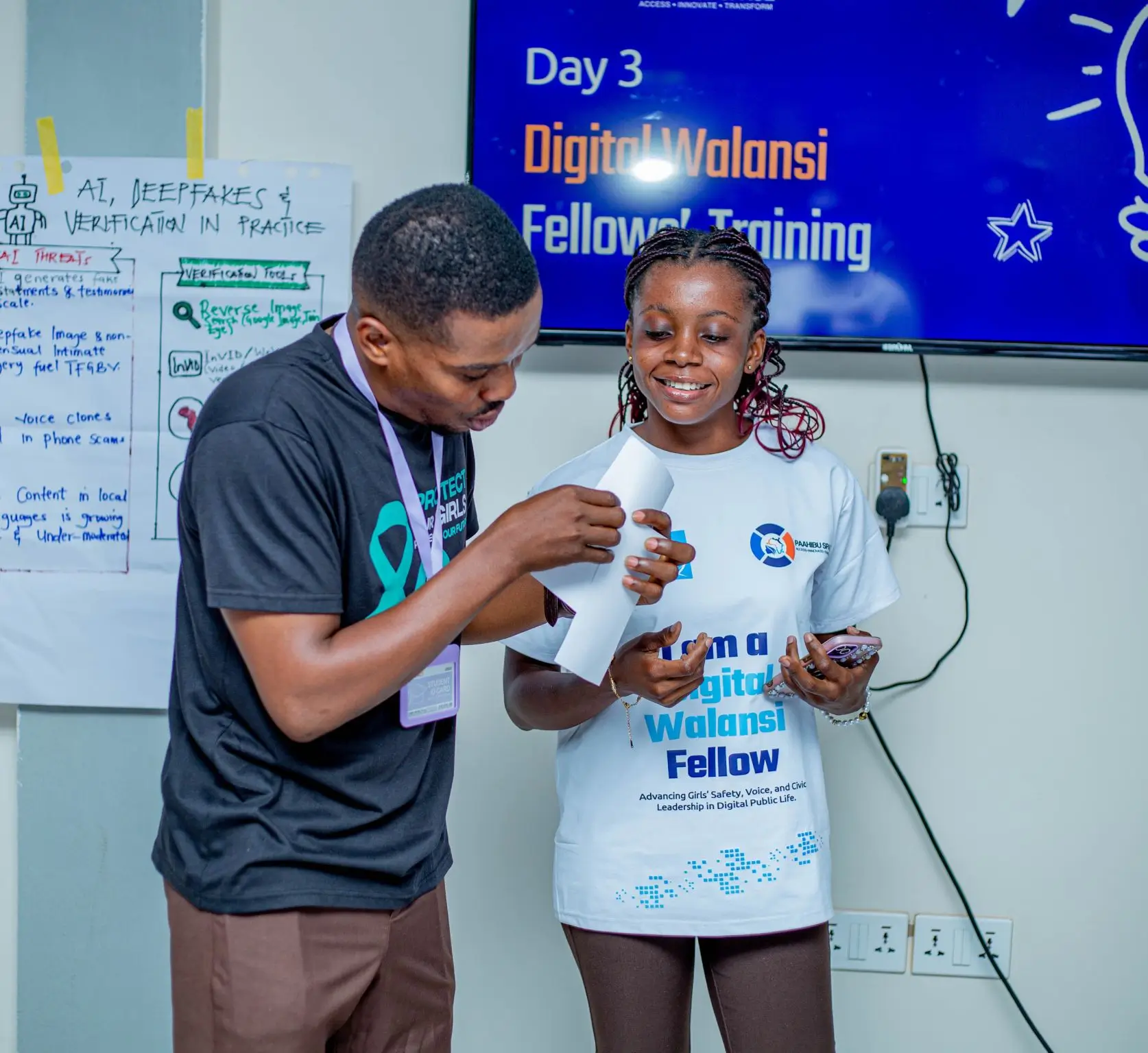
Thirty young women are trained as Digital Walansi Fellows across four core areas: digital skills and safety, AI literacy, Media and Information Literacy (MIL), and the prevention of and response to Technology-Facilitated Gender-Based Violence (TFGBV).
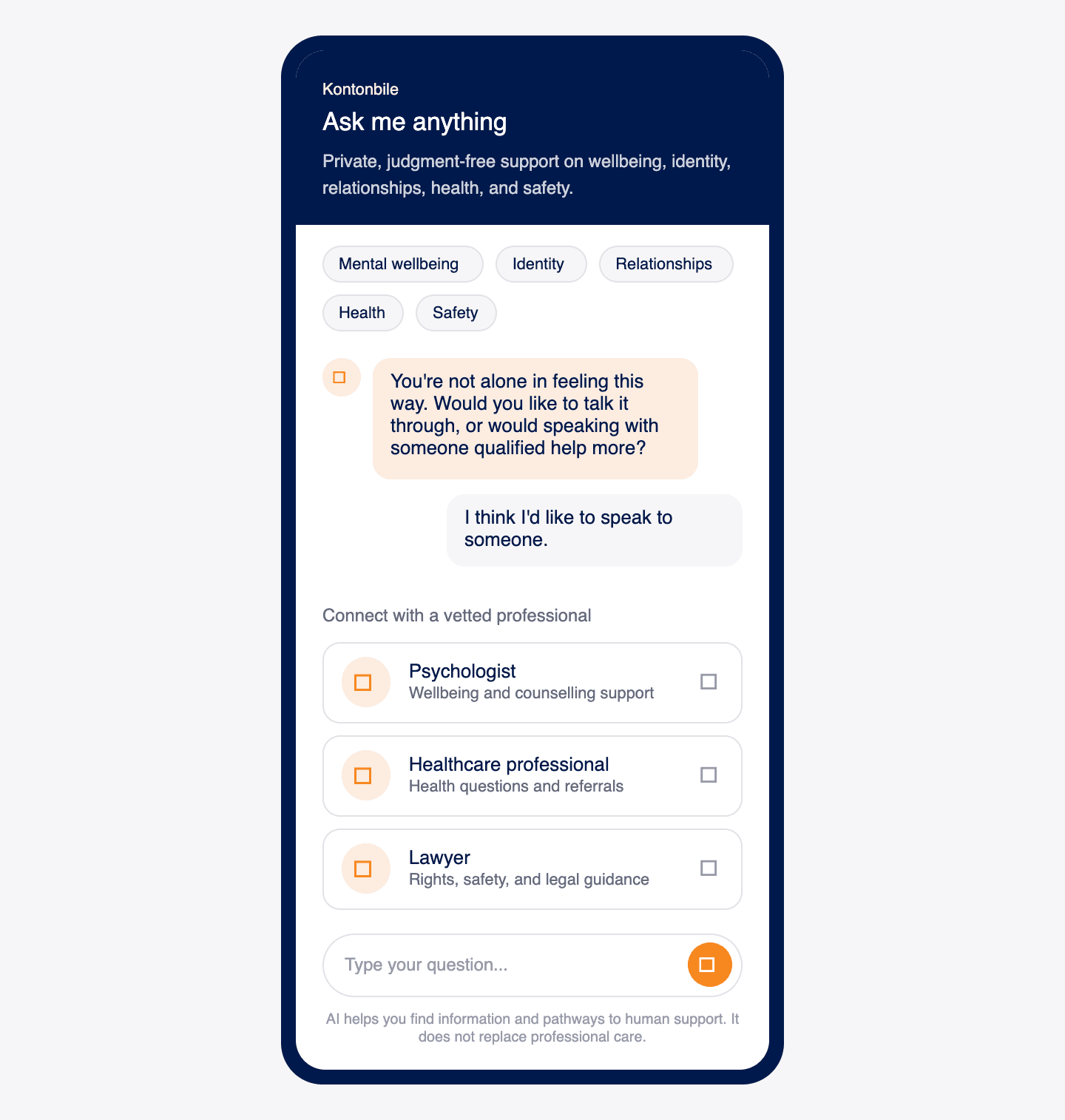
At the centre of the programme's technology component is Walansi Kontonbile, a responsible AI learning and student-support platform developed with participating schools and Digital Walansi Clubs. Kontonbile means artificial intelligence in the the Waale local language.
Walansi Kontonbile brings together three functions that are usually treated separately in education technology: learning, digital safety, and access to trusted support.
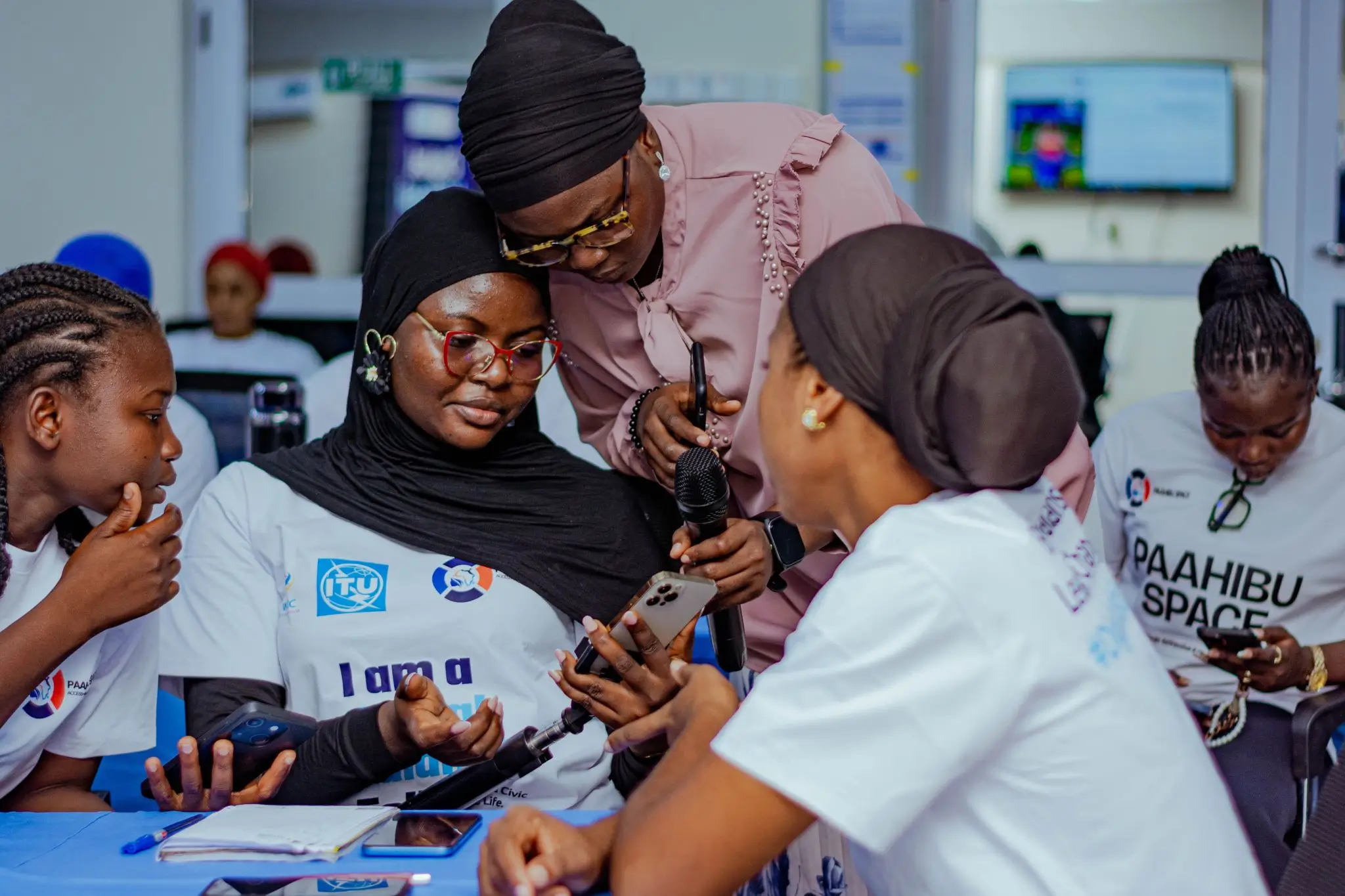
Students and teachers explore AI-supported learning, ask questions, access educational information, and verify information. The platform is designed to build critical engagement with information and AI-generated content, and to encourage responsible AI use, privacy, and critical thinking.
Students can anonymously report concerns relating to TFGBV and other digital-safety experiences. This creates an additional pathway for young people who may not feel comfortable immediately disclosing an experience face-to-face, while connecting serious concerns to appropriate safeguarding and referral processes.
Students can privately seek information or raise questions around mental wellbeing, identity, relationships, health, and safety. Where appropriate, they are connected to a network of vetted professional volunteers, psychologists, healthcare professionals, and lawyers for specialised human support and referrals.
Walansi Kontonbile is co-developed with the young people and schools expected to use it.
— Digital Walansi Programme Principle
Digital Walansi generates evidence on how young people are using AI and digital technologies in Ghanaian secondary schools — the opportunities and risks they encounter, the support they need, and how responsible AI can be integrated into education while protecting young people's rights, safety, and wellbeing.
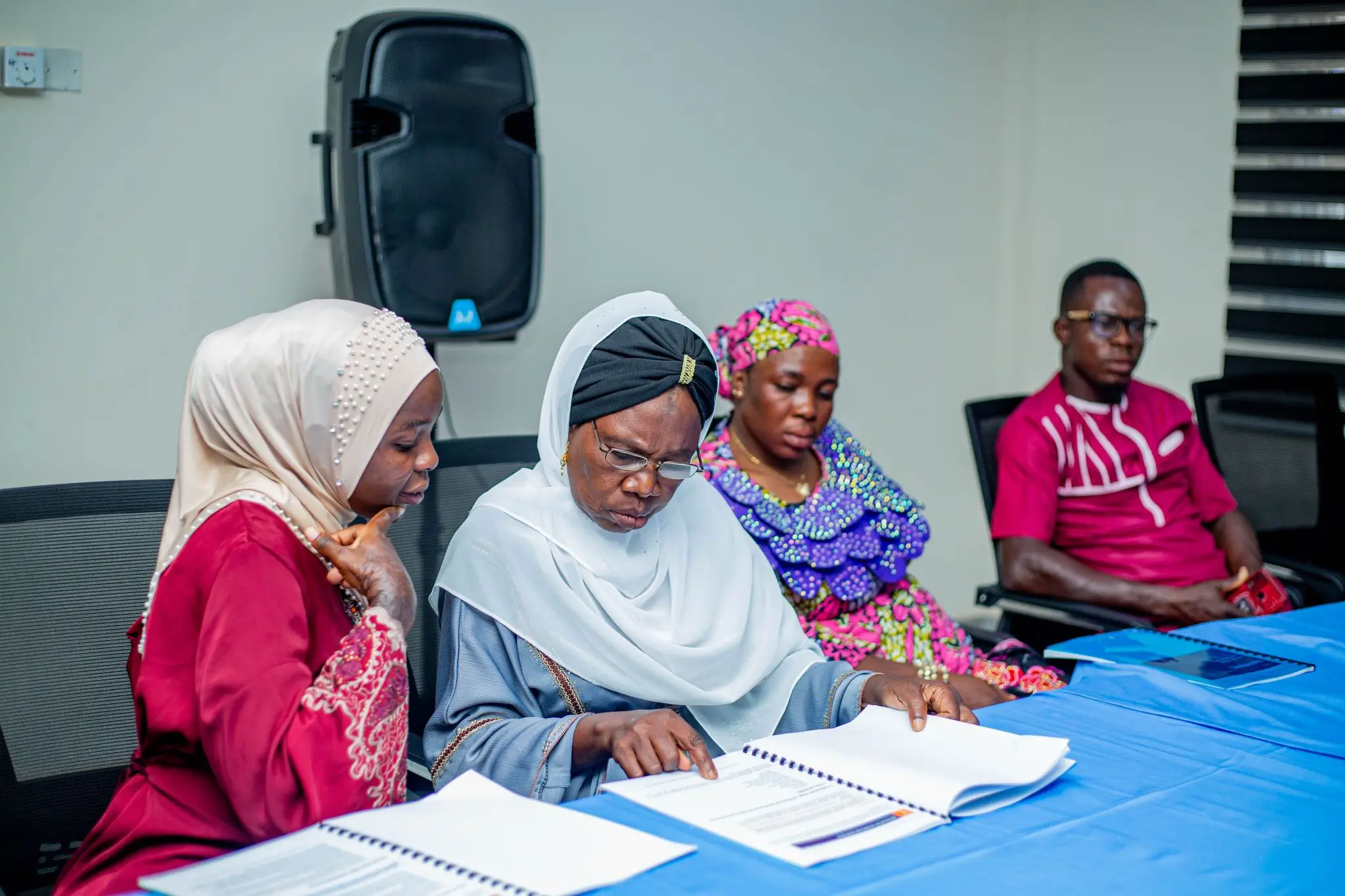
Thirty young women are trained as Digital Walansi Fellows and deployed into the secondary schools where they facilitate learning directly with students and teachers, carrying the programme forward from within the school community.
Walansi Kontonbile brings together three functions usually treated separately in education technology: AI-supported learning, anonymous digital-safety reporting, and access to trusted professional support, in a single responsible platform.
Where a student needs specialised human care, Kontonbile connects them to vetted professional volunteers. AI helps make trusted information and pathways to human support more accessible — it does not stand in for that care.
Walansi Kontonbile is co-developed with the young people and schools expected to use it, and the Digital Walansi Clubs it supports provide sustained spaces for peer learning, digital leadership, and responsible technology use.
The programme generates evidence on how young people are using AI and digital technologies in Ghanaian secondary schools — the opportunities and risks they encounter, the support they need, and how responsible AI can be integrated into education responsibly.
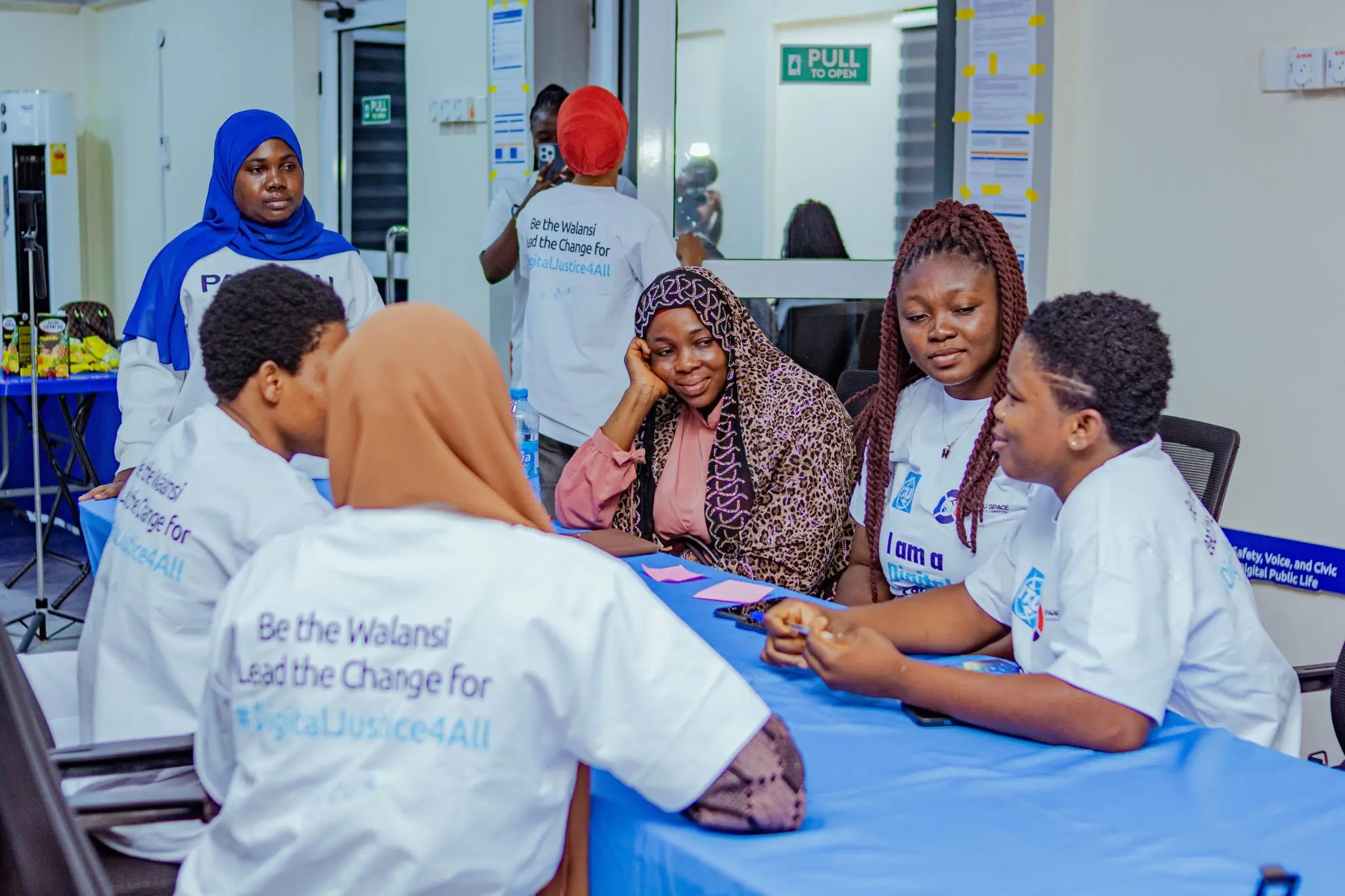
Thirty young women trained in digital skills and safety, AI literacy, MIL, and TFGBV prevention and response — now deployed to secondary schools to facilitate learning with students and teachers.

Wa, Senior High School
Cohort profiles updated each programme cycle
Organisations that engage with the programme — whether as facilitators, development session contributors, community partners, or co-funders — gain access to a set of resources, relationships, and opportunities, and to the evidence the programme generates on how young people are using AI and digital technologies in Ghanaian secondary schools.
Evidence on how young people are using AI and digital technologies in Ghanaian secondary schools, the opportunities and risks they encounter, and the support they need.
The Digital Walansi training model for digital safety, AI literacy, and media and information literacy — designed for underserved school communities.
A structured, evidence-based model for engaging young people experiencing online harm and TFGBV, and building their agency as digital citizens.
Pilot ideas, test communication strategies, and explore integration with the Walansi Kontonbile platform through Digital Walansi Clubs and school workshops.
Jointly produce policy briefs on responsible AI and digital safety in education, case studies, and research outputs for national and regional platforms.
Access to partner secondary schools, teachers, and the wider network of community actors engaged through the Digital Walansi deployment.
Named in all programme documentation, donor reports, social media, and on every Digital Walansi Fellow certificate at graduation.
Documented evidence of reach into underserved regions of Ghana — geographies consistently underserved by digital safety and AI literacy programming.
Interested in partnering?
Reach out to the Paahibu Space team to explore how your organisation can engage.
Questions? Reach out to us.
programs@paahibuspace.org